Tag: Accountability

  • Murder and Treason Excepted

    Murder and Treason Excepted

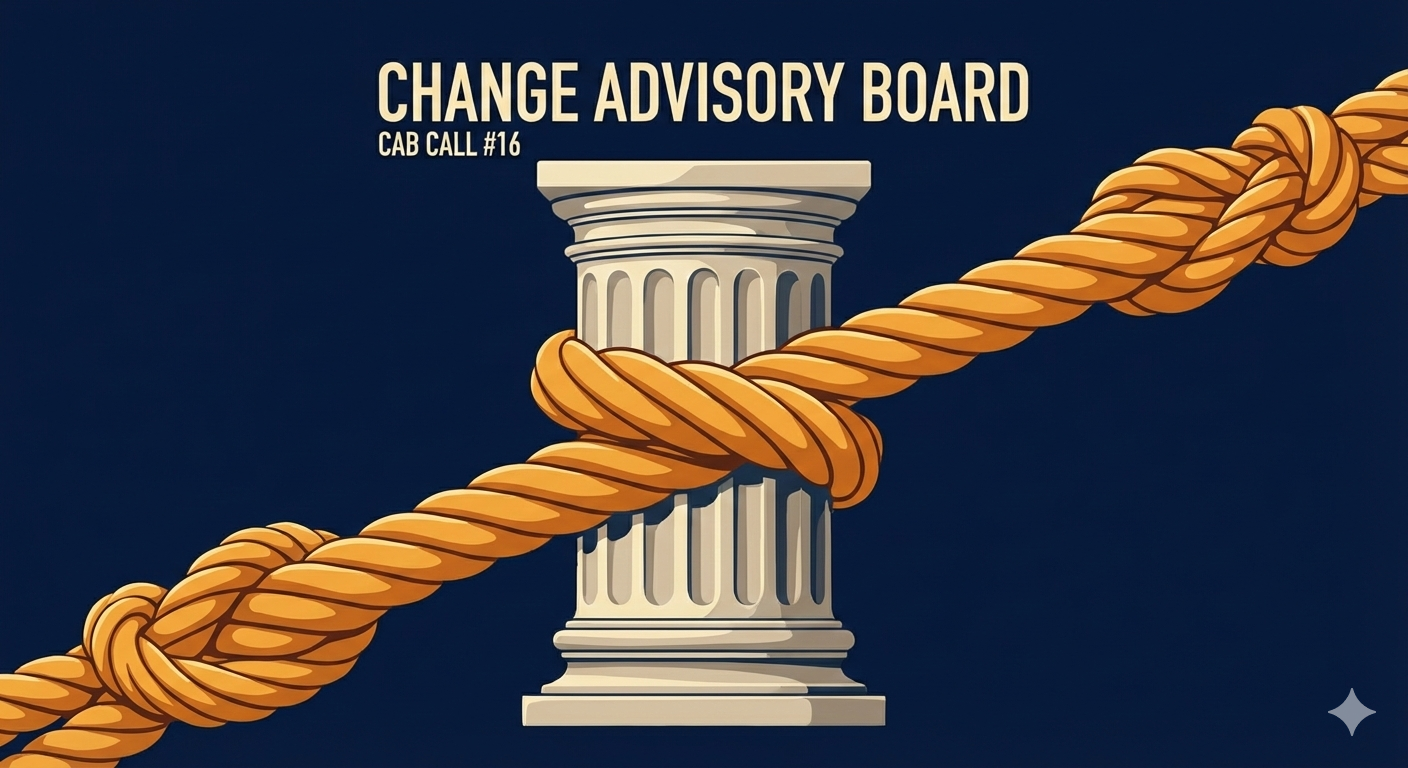
    In this episode, we wrestle with one of the most agonizing ethical dilemmas in history: What happens when institutional loyalty violently clashes with personal moral duty?

    We begin by dissecting the terrifying “exception clause” found in ancient fraternal oaths: Murder and Treason Excepted. We explore the “Cable Tow”—the symbolic rope binding members together—and ask what happens when that rope becomes a noose for the truth.

    Drawing on a compelling set of sources, we trace the dark history of weaponized loyalty, from the infamous Morgan Affair of the 1820s to the subversive corruption of the P2 Lodge in Italy. We then pivot to the modern day, applying these lessons to the concept of “Moral Injury” in law enforcement and the heartbreaking institutional failures in Uvalde, Texas. Why do communities “circle the wagons” in the face of tragedy? We explain the psychology of “Identity Protective Cognition” and the concept of “Untempered Mortar”—the silence that causes structures to collapse.

    Sources: https://notebooklm.google.com/notebook/0e615a06-8fcb-4b09-bf5b-95eb1a1fa21a
  • The Square and the Server

    The Square and the Server

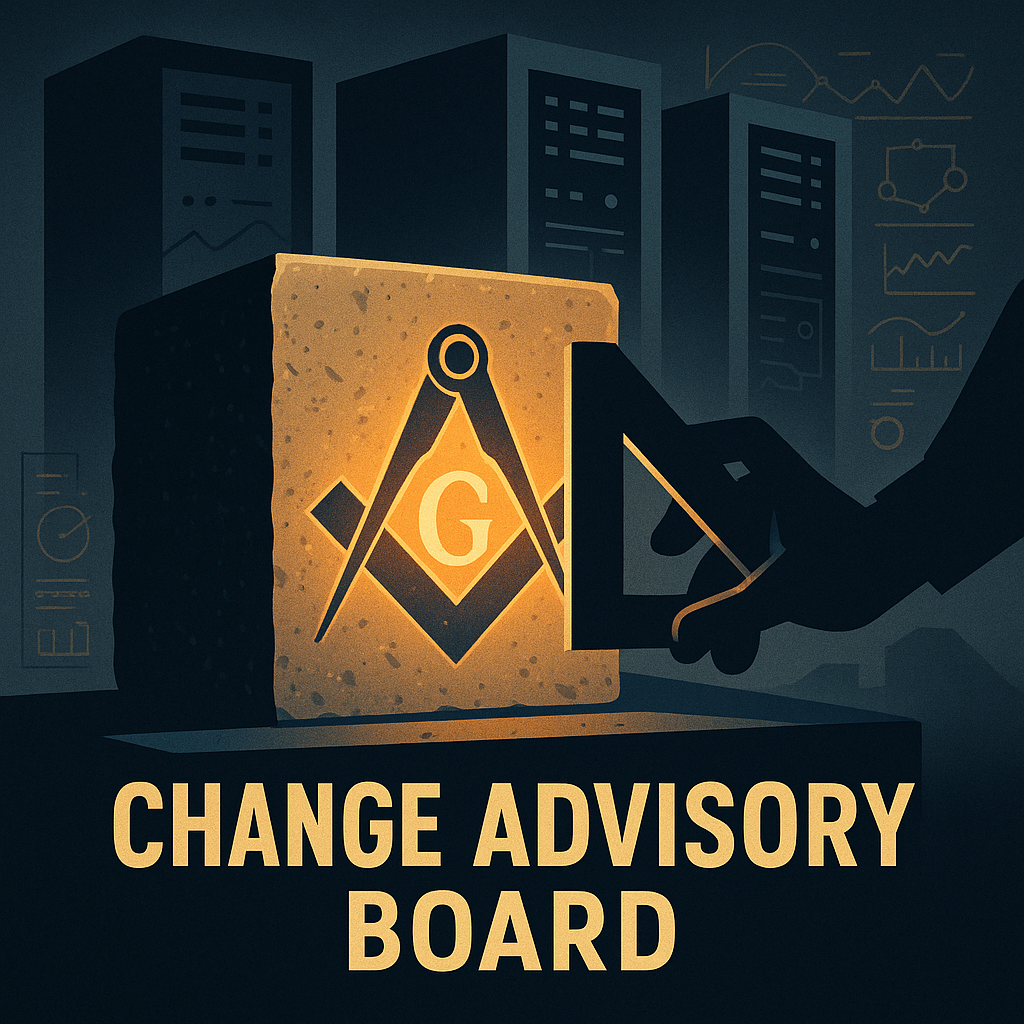
    In this episode, Change Advisory Board draws a straight line from the lodge to the datacenter via the square, exploring how the symbolic working tools of Freemasonry — the gauge, gavel, square, level, plumb, compasses, and trowel — can be reinterpreted as instruments of modern Site Reliability Engineering.

    From the Entered Apprentice’s 24-inch gauge to the SRE’s time budgets and service-level objectives, each tool becomes a lens for understanding the moral and operational discipline behind reliable systems. The common gavel’s task of removing rough edges parallels how engineers refine noise from telemetry. The Fellow Craft’s square and level emerge as early templates for data integrity and fairness — the moral geometry of incident response. The plumb rule, once a test of uprightness, becomes the model for aligned observability: systems and people both measured against their true vertical.

    Finally, the Master Mason’s compasses and trowel remind us that every great system — like every enduring fraternity — is held together not by code alone but by the invisible cement of trust, accountability, and shared purpose. Observability, in this light, is not just about data; it is the moral act of ensuring that what we build is true, just, and aligned with the architecture of higher principles.

    It’s a conversation about craftsmanship in code and in character — an investigation into how the oldest working tools of humanity still guide the newest disciplines of reliability engineering.

    Source #1: The Lecture of the Second Degree of Freemasonry

    Source #2: Site Reliability Engineering edited by Betsy Beyer, Chris Jones, Jennifer Petoff, and Niall Richard Murphy