Tag: ethics

  • Murder and Treason Excepted

    Murder and Treason Excepted

    In this episode, we wrestle with one of the most agonizing ethical dilemmas in history: What happens when institutional loyalty violently clashes with personal moral duty?

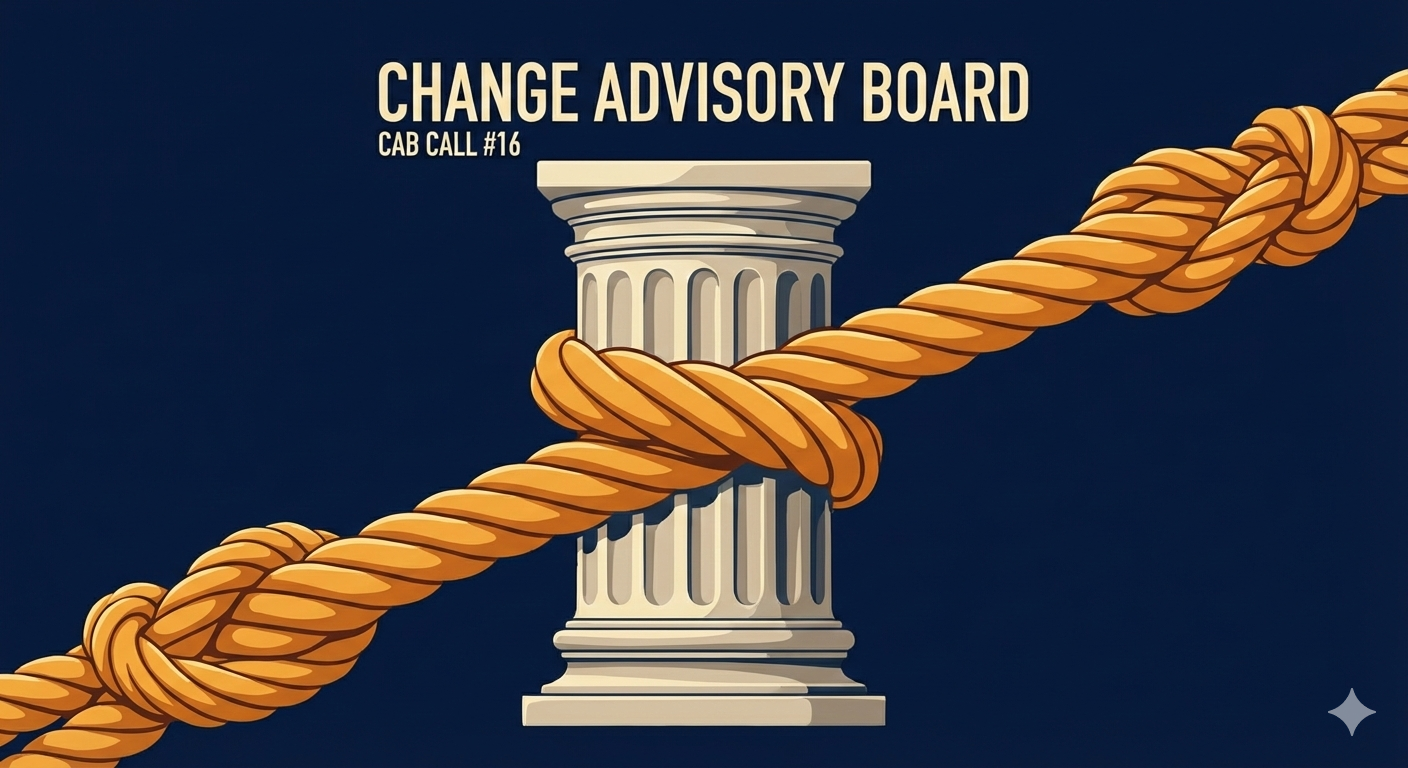
    We begin by dissecting the terrifying “exception clause” found in ancient fraternal oaths: Murder and Treason Excepted. We explore the “Cable Tow”—the symbolic rope binding members together—and ask what happens when that rope becomes a noose for the truth.

    Drawing on a compelling set of sources, we trace the dark history of weaponized loyalty, from the infamous Morgan Affair of the 1820s to the subversive corruption of the P2 Lodge in Italy. We then pivot to the modern day, applying these lessons to the concept of “Moral Injury” in law enforcement and the heartbreaking institutional failures in Uvalde, Texas. Why do communities “circle the wagons” in the face of tragedy? We explain the psychology of “Identity Protective Cognition” and the concept of “Untempered Mortar”—the silence that causes structures to collapse.

    Sources: https://notebooklm.google.com/notebook/0e615a06-8fcb-4b09-bf5b-95eb1a1fa21a
  • The Architecture of Eternity

    The Architecture of Eternity

    Freemasonry’s Moral OS and the Birth of Human Reliability

    This episode of The Cab Call traces the long arc of Masonic history as if it were the version-history of humanity’s oldest moral operating system. Instead of treating the Craft as a museum of rituals, we explore it as a living reliability framework—prophecy, practice, and interpretation—evolving over thousands of years to keep human beings resilient in a world full of entropy.

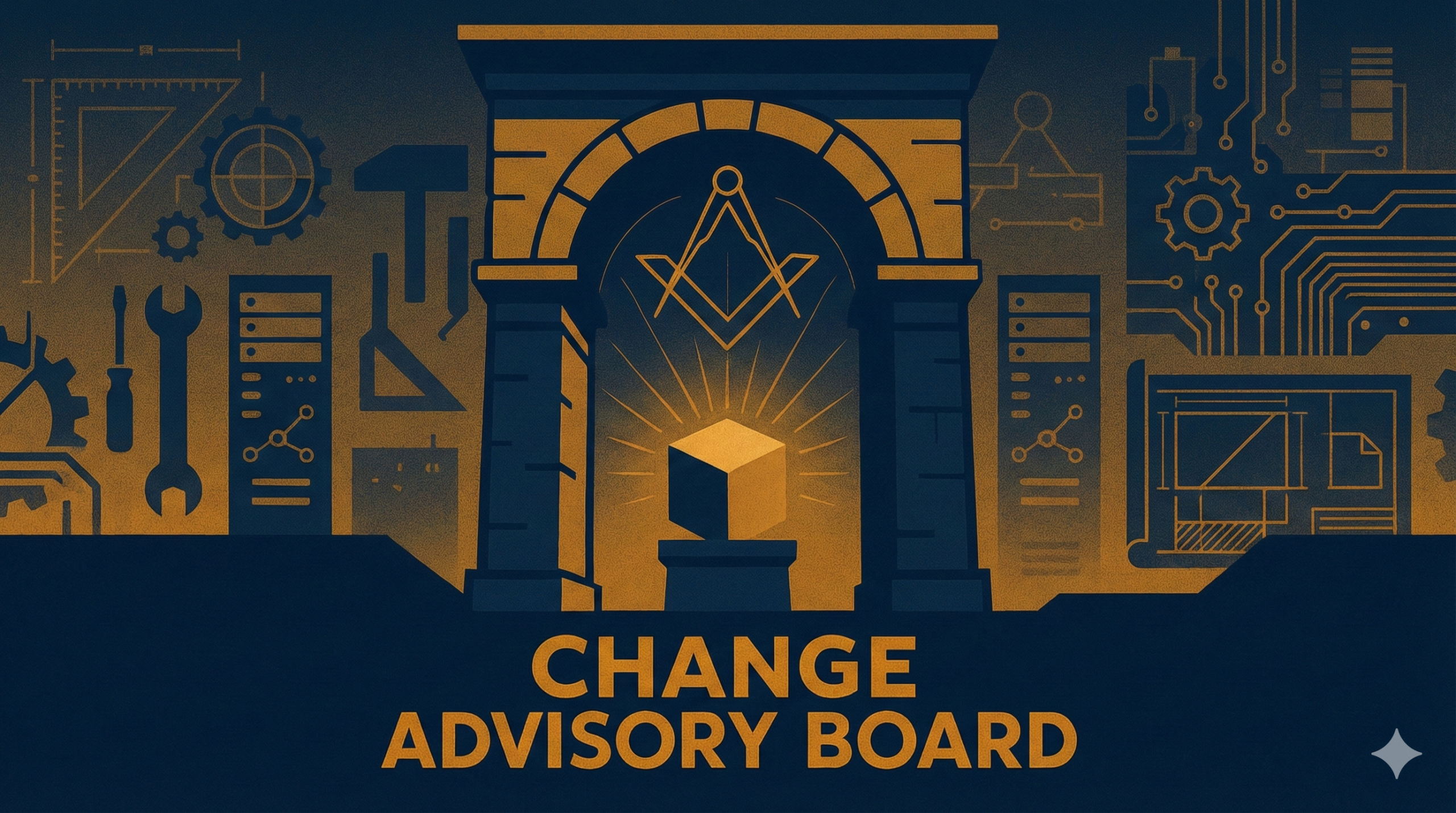
    We move from the prophetic era, where symbols like the Cube and Square encoded universal laws of stability, through the great operative builders who carried those laws through collapsing empires and dark ages. The Comacine Masters, the Roman Collegia, the cathedral architects—all appear not as quaint historical footnotes but as early maintainers of an ethical architecture designed to produce both strong buildings and strong men.

    The episode follows the rise of Speculative Masonry, when the craft stopped building cathedrals and began building character instead, and culminates with the 1717 Grand Lodge—the moment Masonry became a universal, non-sectarian system for producing “Good men and True.” Across the entire journey, we frame the fraternity as a blueprint for human reliability engineering: an attempt to harmonize fallible people with immutable moral laws the same way an engineer harmonizes fallible systems with physical ones.

    It’s an episode about continuity across collapse, symbols that outlast empires, and why an ancient institution built for stoneworkers still feels modern in an era of distributed systems and digital drift.

    Source #1: The Builders. A Story and Study of Masonry by Joseph Fort Newton, Litt. D.