
Tag: mental health

  • The Common Gavel vs. The Comments Section

    The Common Gavel vs. The Comments Section

    The Problem: Signal-to-Noise Ratio

    As IT professionals, we know that looking for a root cause in a log file full of garbage data is a waste of time. Yet, every day, we voluntarily open the “error logs” of the internet: the comments section.

    We scroll looking for insight or humor (the Signal), but we mostly find rage bait, bots, and ad-hominem attacks (the Noise). We tell ourselves we’re just “staying informed” or “seeing what people think,” but neurologically, we are just exposing our brains to an unmoderated exploit. We get riled up, we lose focus, and we waste bandwidth that should belong to our work and our families.

    The Philosophy: The Common Gavel

    In Freemasonry, we are taught to use the Common Gavel to break off the “rough and superfluous parts” of the stone, fitting it for the builder’s use. It is a tool of divestment. It removes what doesn’t belong so the true form can be revealed.

    The comments section on 99% of websites is “superfluous.” It adds no structural integrity to your life. It is rough, jagged, and useless for building anything of value.

    The Solution: A Technical Control

    Willpower is a finite resource. Don’t rely on it. Instead, apply a technical control.

    I recently realized that trying to ignore the comments is like trying to ignore a blinking red alert on a dashboard. The “Admin” solution isn’t to stare at it harder; it’s to patch the vulnerability.

    I installed a browser extension that simply strips the comments section out of the code before it renders on my screen.

    • The Result: I watch the content, absorb the information, and then… I move on.
    • The Masonic Application: I have used a modern tool to physically break off the superfluous part of the internet.

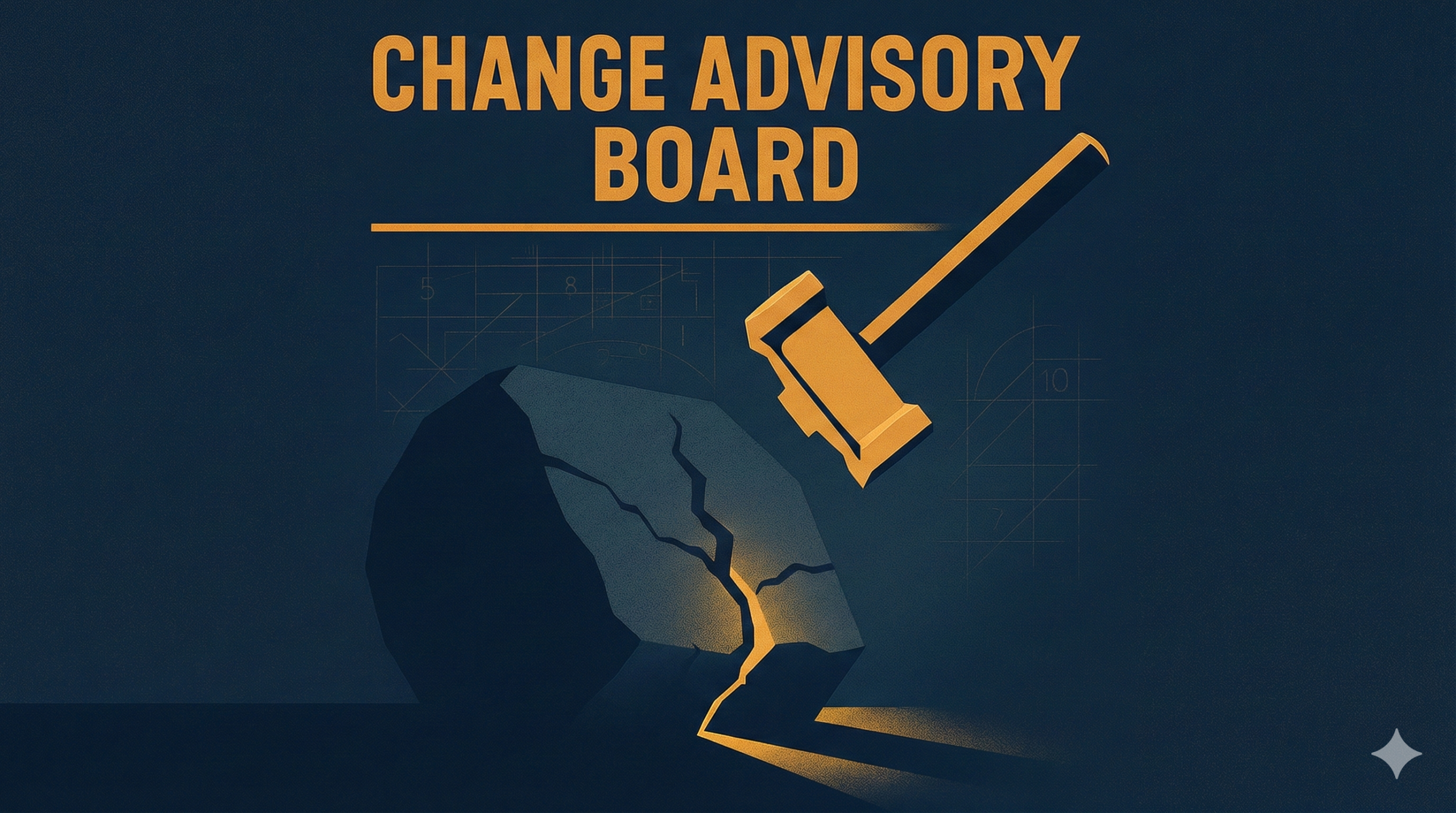
    The Change Advisory Board Recommendation

    We cannot control the chaos of the internet, but we can control our interface with it. If you find yourself losing 20 minutes to a flame war you aren’t even participating in, it’s time to pick up your Gavel (or your browser extension) and clean up your stone.

    Action Item: Install a comment blocker today (like “Unhook” for YouTube or “Shut Up” for the web). Reclaim your CPU cycles for the applications that actually matter.
  • The Gavel, the Gauge, and the Broken Foundation

    The Gavel, the Gauge, and the Broken Foundation

    This episode confronts one of the most difficult crises a person can face: the collapse of life under addiction—and the parallel responsibility of a fraternity committed to lifting a worthy brother in distress. Through a dual lens of Alcoholics Anonymous and Freemasonry, we explore addiction not as a moral failure but as a physical abnormality paired with a devastating mental distortion: the loss of perspective that allows a person to take the first drink despite knowing the consequences.

    We trace the progression from physical compulsion to shattered resolve, isolation, self-deception, and the spiritual walls that keep so many trapped. Then we walk through the architecture of recovery: surrender, moral inventory, confession, character repair, and sustained service. Each phase of the Twelve Steps is examined as a disciplined reconstruction of a man’s inner foundation.

    From there, we map these principles directly onto the Craft’s moral blueprint. The common gavel becomes the tool of inventory. The 24-inch gauge becomes the mandate for service. The Lewis symbolizes the fraternity’s duty to bear the burden of a fallen brother. The immovable jewels provide the moral geometry for rebuilding a life upright.

    The result is a unified framework: the spiritual labor of recovery reinforced by the symbolic architecture of Freemasonry. Both insist that the highest attainment comes through humility, self-examination, and service. And both reveal that profound suffering, when met with discipline and fellowship, can become the accelerated path toward becoming a true operative builder.

    Source #01: Alcoholics Anonymous 4th Edition

    Source #02: The Builders. A Story and Study of Masonry by Joseph Fort Newton, Litt. D. 

    Source #03: The Lecture of the First Degree of Freemasonry

    Source #04: Entered Apprentice Lecture by phoenixmasonry.org

    Source #05: The Lecture of the Second Degree of Freemasonry